
Running the way it should
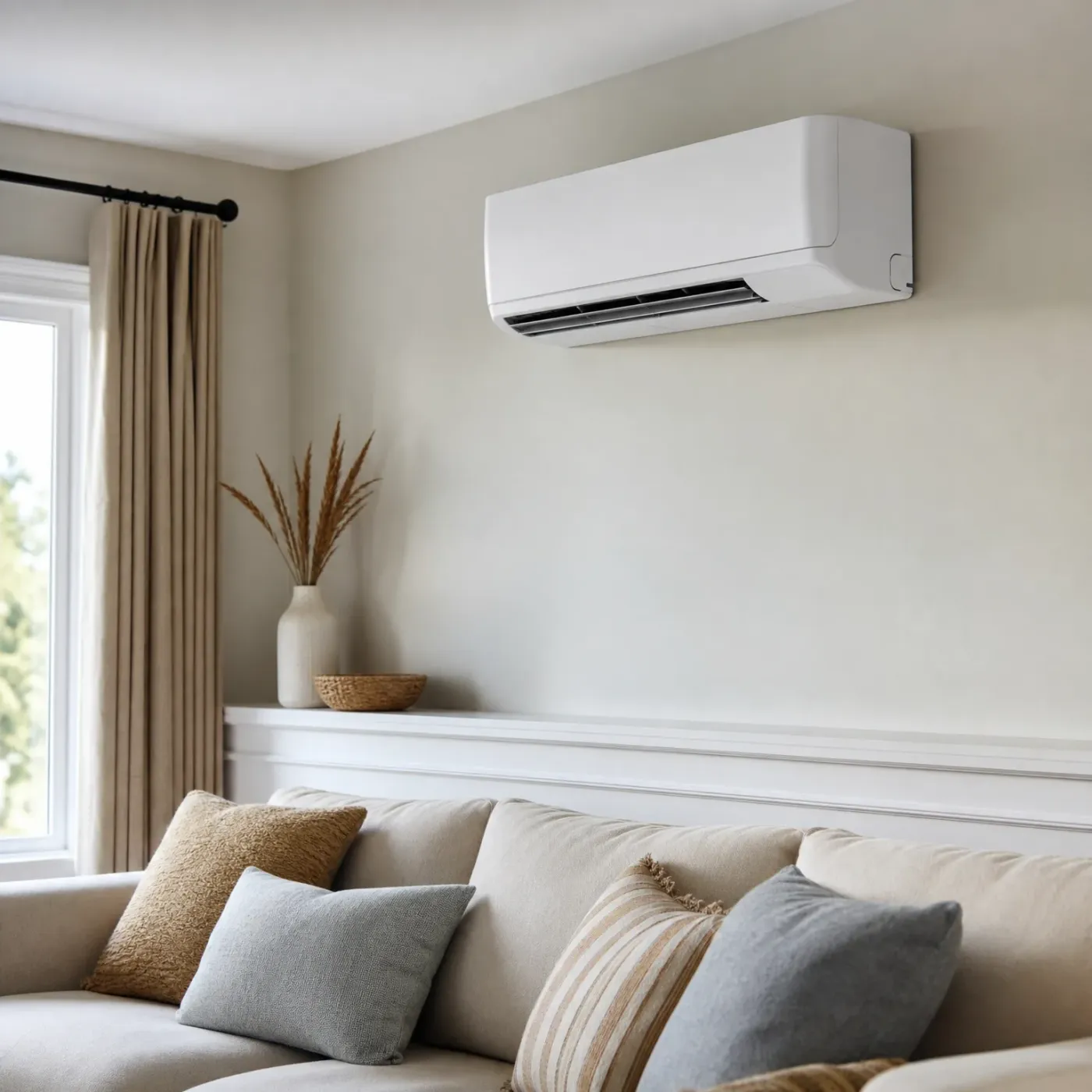
A solid light means the board isn't flagging anything. Air should come out cold at the head and steady across the room. If yours looks like this and still cools fine, there's nothing to chase.
A blinking light on your mini split in Kenner is the unit's way of flagging something specific, not a generic warning. Which light, what color, how many flashes, that pattern usually points to a particular issue, but matching it to the right fix means knowing that model's codes. With Jefferson Parish summers running long and muggy, a mini split that's acting up rarely gets better left alone, and most homes here count on these units for the bulk of the year. Instead of searching for who covers Kenner, calling around, and explaining the blinking pattern over and over to different shops, you can get matched with a contractor who handles mini splits in this area and have them reach out to you directly. You skip the comparing, the repeat phone calls, and the guesswork about which company actually knows your brand. Tell them what the light is doing once, to someone who can act on it.
A blinking light on a mini split means the unit's control board caught something wrong and is counting it out in flashes. Most brands use the pattern to point at one thing: a frozen coil, a clogged filter, a drain line backing up, or a sensor that lost its signal. In Kenner, with the humidity running heavy from spring through fall, the drain line and the coil are the two that act up most, since condensation never really lets up on these units for most of the year. The exact count and color matter because they tell you which of those it is, and the manual for your specific model is the only place that pairs the pattern to the cause. Left alone, most of what triggers a blink code gets worse rather than better, especially a clogged drain, which can back up into the wall or the ceiling it's mounted on. The blink is the unit telling you it needs a look before that happens.
Cooling runs April through October
Your mini split runs cooling from April through October here, so a blinking light during those seven months means the system you rely on most is the one flagging a problem.
Heat runs November through February
Heat runs November through February in Jefferson Parish, and most homes lean on electric heat, so the same unit that cools you all summer is also what keeps you warm.
Power here costs 12.18 cents per kilowatt-hour
Electricity here runs 12.18 cents per kilowatt-hour, and a mini split blinking over a frozen coil or dirty filter is working harder than it should on every one of those kilowatt-hours.
NOAA nClimDiv 1991-2020 · EIA-861 2025
The control board on a mini split does not just fail quietly. It logs what tripped it and shows that through the light on the indoor unit, sometimes with a color change built into the pattern. You count the flashes, note the pause, and count again to confirm the number holds steady. That number means nothing on its own. It has to be matched against the chart for that specific brand and model, because Mitsubishi, Daikin, LG and Fujitsu each assign their own flash counts to things like a frozen coil, a clogged filter, a drain line backing up, or a lost sensor signal. Two flashes on one brand can point to a completely different fault than two flashes on another. Some systems complicate this further by blinking one code on the indoor head and a second, different code on the outdoor unit at the same moment, which means both have to be read together to get the full picture. A steady, solid light tells you the unit is running as it should. A blinking one means the board caught something and is holding that fault until it gets cleared. Cutting power at the breaker will often reset the display and stop the blinking, but that only clears the message, not the cause. If the part behind it is still bad, the same pattern will come back once the system runs long enough to trip it again.




Explain the mini split problem once instead of to every shop in Jefferson Parish.
A Jefferson Parish pro who repairs mini splits gets your request.
It costs nothing to send, and you don't have to hire anyone.
The control board stores a short list of fault codes in its memory, each tied to a sensor reading outside its normal range. When one trips, the board runs the same sequence on a loop: a set number of flashes, a pause, then the same count again. That repeat is what separates a real fault from a loose connection or a one-time power blip, which usually clears itself after a restart.

If the code points to a frozen coil, the unit is still running the compressor while airflow across that coil is blocked, usually by a dirty filter or low refrigerant. Left alone, the ice keeps building and can spread to the line set. Once that happens, the unit has to fully thaw, sometimes for hours, before a technician can even test it for the actual cause.
You probably came in from the Kenner heat and saw the light on the indoor head flashing instead of staying solid. Maybe the air coming out feels weaker than it should, or you've noticed it's not as cold as you set it. Some households catch a musty smell first, or water pooling near the base of the indoor unit when the drain line is the problem. Others just hear the unit cycling oddly, shutting off and restarting on its own. If the filter hasn't been cleaned in a while, that alone can trigger the code. Left alone through a Kenner summer, a frozen coil or a clogged drain can mean water damage to the wall or floor beneath the unit, not just a system that struggles to cool.

A solid light means the board isn't flagging anything. Air should come out cold at the head and steady across the room. If yours looks like this and still cools fine, there's nothing to chase.

Dust and discoloration like this build up over time and usually mean the filter hasn't been pulled and rinsed in a while. A dirty unit works harder, and that strain is often what trips the blinking light in the first place.
Seven months of cooling means seven months where a blinking light actually costs you comfort. Your mini split isn't idling between flashes in Kenner, it's carrying the load from April through October, so a fault that trips in June won't wait quietly until fall to get looked at.
NOAA nClimDiv 1991-2020

This is what a mini split looks like when nothing's wrong. The casing is clean, the light stays solid, and cold air moves steadily into the room. No flashing, no streaks on the vents, nothing to chase. If yours matches this, leave it alone.

Dust and grime built up across the casing and filter, and now the light is flashing to match. A dirty filter is one of the more common reasons a mini split throws a code, since it blocks airflow across the coil until a sensor trips. Grime like this doesn't clear on its own.

Count the flashes, check the filter, look at the drain line outside. That's as far as you can take it from here. The pattern points to something specific, a frozen coil, a clogged filter, a sensor out of range, but confirming which one means opening the unit and reading it against the chart for your brand.
If you'd rather not spend a July afternoon on hold trying to find someone who services your brand and then explaining the flash pattern over again to whoever picks up, answering a few questions here gets you matched with a contractor who works on mini splits in Kenner, and that contractor will reach out to you directly.



Find a mini split repair pro in Jefferson Parish
Describe what your mini split is doing once, in one form.
